 English

 English
 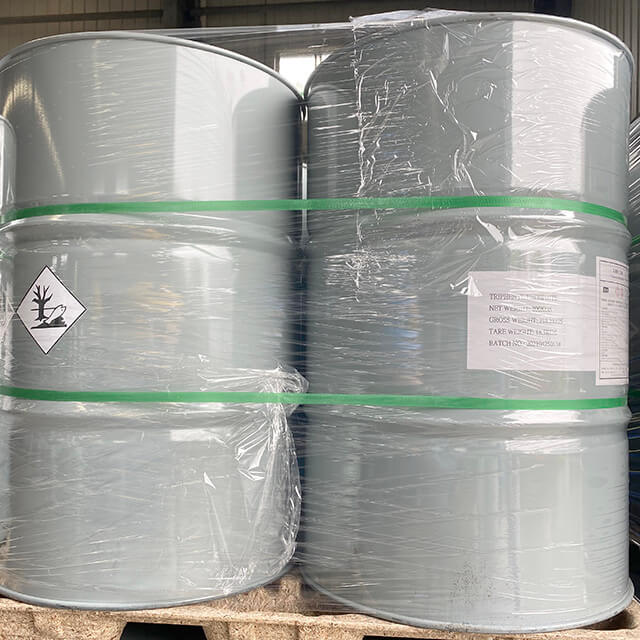 |
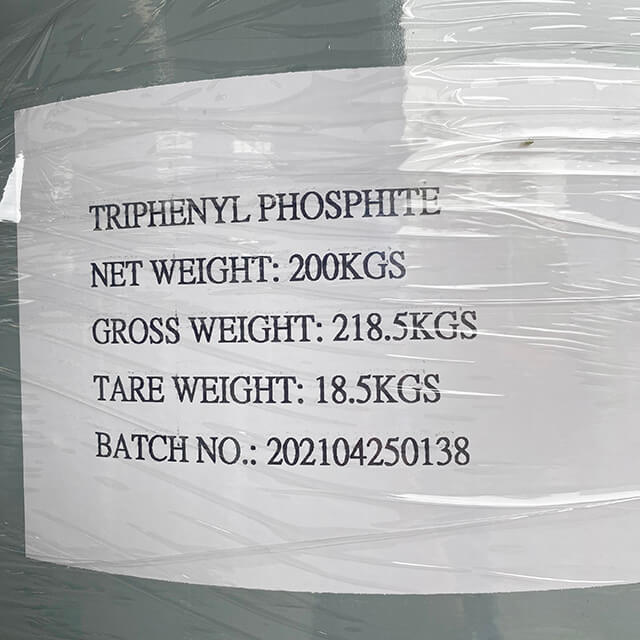


101-02-0
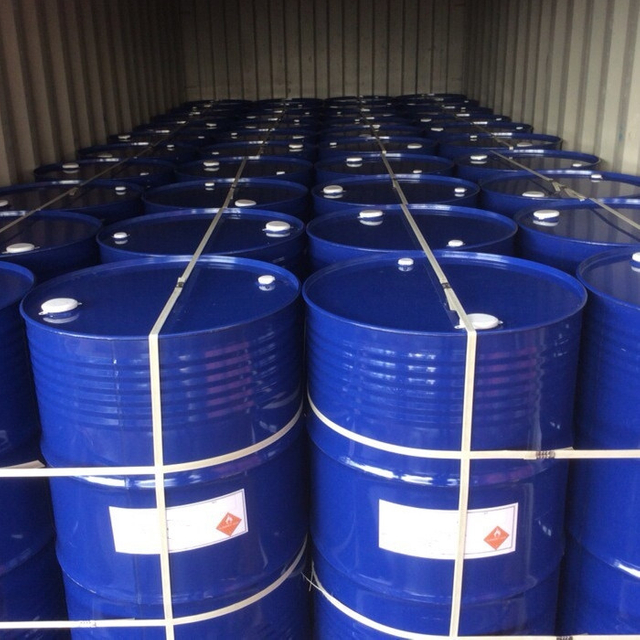
200kg/drum
DESCRIPTION
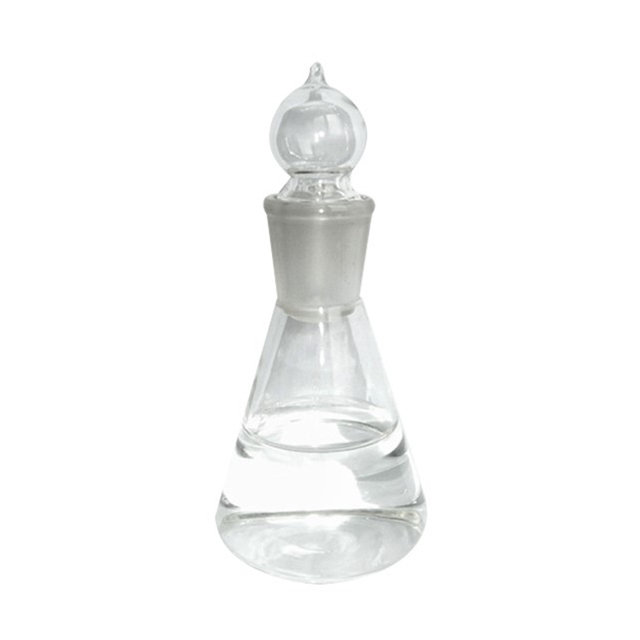
Triphenyl phosphite (TPP), also known as phosphorous acid triphenyl ester or CAS No. 101-02-0, is a versatile organophosphorus compound widely used as an antioxidant, stabilizer, and chelating agent in various industrial sectors. This colorless to pale yellow liquid offers excellent thermal stability and compatibility with polymers, making it an essential additive in plastics, rubber, and coatings manufacturing.
| ITEMS | SPECIFICATIONS |
| Appearance | Colorless and transparent liquid |
| Chromaticity (Pt-Co) | ≤50 |
| Density (25℃, g/cm3) | 1.180-1.192 |
| Refractive Index (η25) | 1.585-1.590 |
| Freezing Point (℃) | 19-24 |
| Acid Value (mgKOH/g) | ≤0.5 |
Superior Antioxidant Performance:
Effectively scavenges free radicals and hydroperoxides, reducing material discoloration and brittleness.
Cost-Effective Solution:
High efficiency at low concentrations (typically 0.1-1.0% by weight) minimizes additive costs.
Environmental Considerations:
Low volatility and biodegradability make it a safer choice compared to some halogenated alternatives.
Triphenyl phosphite is a multifunctional additive with broad industrial uses. Here are some primary applications:
Polymer Stabilization:
Acts as a secondary antioxidant in PVC, polyethylene, polypropylene, and other thermoplastics to inhibit chain reactions during processing and extend product lifespan.
Rubber Industry:
Used as a stabilizer in synthetic rubber formulations to prevent premature aging and maintain elasticity.
Coatings and Paints:
Enhances weather resistance and color retention in alkyd resins and epoxy coatings by chelating metal ions that catalyze oxidation.
Lubricants and Greases:
Serves as an anti-wear agent and corrosion inhibitor in industrial lubricants.
Flame Retardants:
Incorporated into formulations for textiles and electronics to improve fire resistance.
Pharmaceuticals and Agrochemicals:
Employed as an intermediate in the synthesis of pesticides, herbicides, and pharmaceutical compounds.
Triphenyl phosphite is classified as a mild irritant under GHS standards. Key safety guidelines include:
Hazard Statements: May cause skin irritation (H315) and eye irritation (H319). Harmful if swallowed (H302).
Precautionary Measures: Wear protective gloves, eye protection, and ensure adequate ventilation during handling. Store in a cool, dry place away from strong oxidizers.
First Aid: In case of contact, rinse with water for 15 minutes and seek medical attention if irritation persists.
Environmental Impact: Avoid release into waterways; dispose of in accordance with local regulations.
What is triphenyl phosphite used for?
Triphenyl phosphite is primarily used as an antioxidant and stabilizer in plastics, rubber, coatings, and lubricants to prevent oxidation and extend material durability. It is also an intermediate in chemical synthesis for agrochemicals and pharmaceuticals.
Is triphenyl phosphite safe for food-contact applications?
Yes, when used in compliance with FDA regulations (21 CFR 178.2010), triphenyl phosphite can be employed as an indirect food additive in polymers for food packaging, provided migration limits are not exceeded.
How does triphenyl phosphite compare to other phosphites like tris(nonylphenyl) phosphite?
Triphenyl phosphite offers better hydrolytic stability and is more cost-effective for general-purpose stabilization, while tris(nonylphenyl) phosphite provides superior performance in high-temperature applications but at a higher price point.
Qi Di Chem supplies high-purity triphenyl phosphite. Request a quote via our website or email mandy@czqidi.com for pricing and delivery details.