 English

 English
  |


89-32-7
Product Description
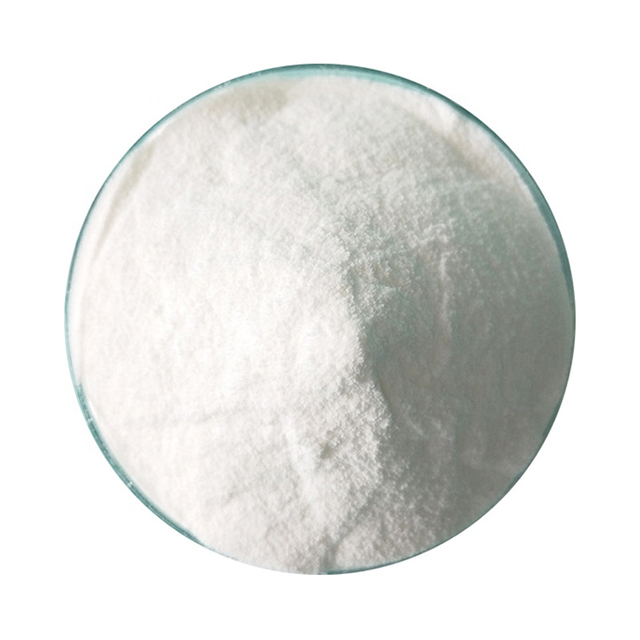
Pyromellitic Dianhydride (PMDA) is a versatile, high-purity aromatic dianhydride renowned for its exceptional thermal stability and chemical reactivity. As a key monomer in the synthesis of advanced polymers, PMDA enables the production of materials with superior mechanical strength, heat resistance, and electrical insulation properties.
| ITEMS | SPECIFICATIONS |
| Purity | ≥99.5% |
| Residual Acetone | ≤1500ppm |
| Melting Point | 286-287.5℃ |
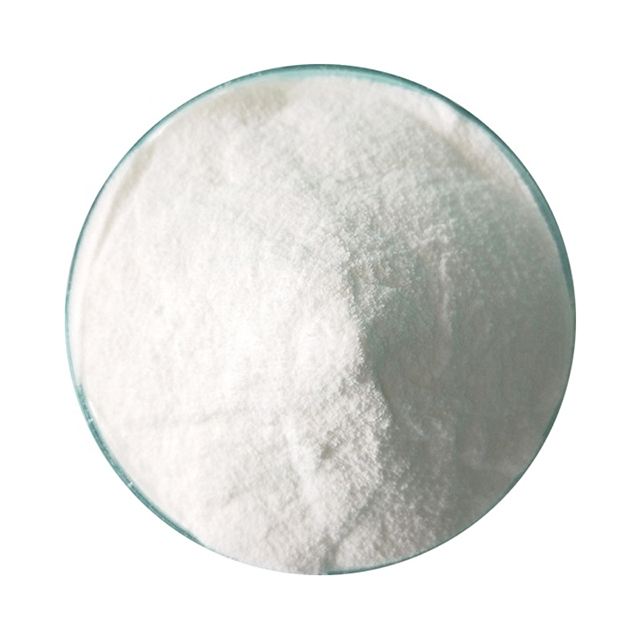
| Color | White |
| Acid (PMA) | ≤0.5% |
| Impurity Content | ≤0.5% |
| Particle Size | ≤150-600μm (≥90%) |
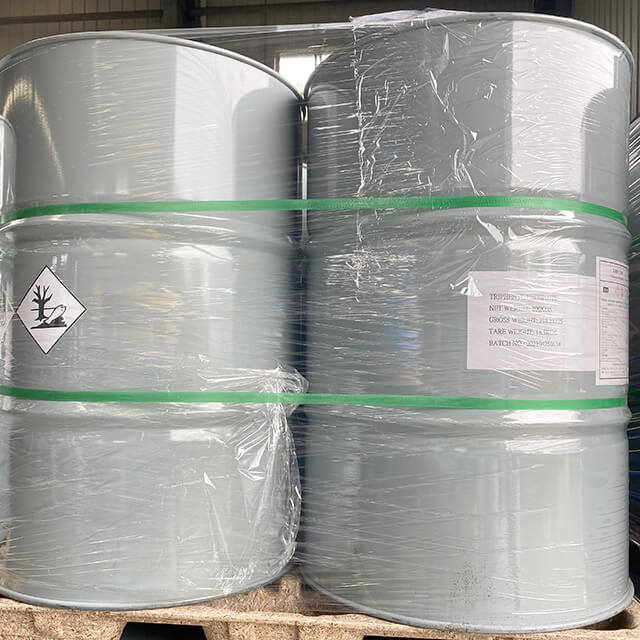
25kgs Paper drum packaging, lined with PE bags, outer aluminum foil bags two layers of sealed packaging.
Keep container tightly closed in a dry and well-ventilated place.
Pyromellitic Dianhydride (PMDA) stands out for its superior reactivity and purity, making it the preferred choice for demanding applications.
Exceptional Thermal Resistance:
With a melting point of 356–358°C and decomposition temperature exceeding 500°C, PMDA-derived polymers maintain integrity at high temperatures.
High Purity Levels:
Available in 99.5%+ purity, minimizing impurities that could compromise end-product performance.
Versatile Reactivity:
Readily forms polyimides, polyamides, and copolyesters through reactions with diamines and diols.
Eco-Friendly Profile:
Low volatility and non-toxic handling under proper conditions support sustainable manufacturing processes.
Cost-Effective Scalability:
Bulk quantities available for seamless integration into large-scale production.
By choosing Pyromellitic Dianhydride (PMDA), you achieve enhanced durability and efficiency in your materials, reducing long-term maintenance costs and improving product reliability.
Pyromellitic Dianhydride (PMDA) is a cornerstone in the production of high-performance materials across industries. Key uses include:
Electronics and Semiconductors:
As a monomer for polyimide films and coatings in flexible circuits, insulation layers, and chip packaging, providing dielectric strength up to 200 kV/mm.
Aerospace and Automotive:
In heat-resistant composites and adhesives for engine components, offering tensile strength >100 MPa at 300°C.
Advanced Coatings and Films:
For optical films, wire enamels, and protective varnishes that resist chemicals and abrasion.
Specialty Resins:
Synthesis of photosensitive polyimides for 3D printing and microelectronics.
Research and Development:
Custom polymer synthesis in labs for novel materials with tailored properties.
PMDA's role in enabling lightweight, durable solutions has revolutionized sectors like 5G infrastructure and electric vehicle batteries.
Pyromellitic Dianhydride (PMDA) is classified as a hazardous substance requiring careful handling to minimize risks. Essential precautions include:
Hazards: Causes serious eye damage; may cause allergic skin reactions or respiratory sensitization; harmful to aquatic life with long-lasting effects.
Personal Protective Equipment (PPE): Wear chemical-resistant gloves, safety goggles. Use in well-ventilated areas or under fume hoods.
First Aid: For eye contact, rinse immediately with water for 15 minutes and seek medical attention. In case of skin contact, wash with soap and water; for inhalation, move to fresh air.
Storage: Keep in a cool, dry place in tightly sealed containers away from moisture, acids, and bases. Store below 30°C to prevent hydrolysis.
Disposal: Follow local regulations for chemical waste; neutralize with water before disposal.
What is Pyromellitic Dianhydride (PMDA) used for?
PMDA is primarily used as a monomer in polyimide production for electronics and aerospace, and as a curing agent in epoxy resins for coatings and laminates.
What are the key chemical properties of PMDA?
It appears as a white crystalline powder with a melting point of 286–288°C, high thermal stability, and solubility in polar solvents like DMF.
Is PMDA suitable for high-temperature applications?
Yes, PMDA-derived materials excel in environments up to 400°C, making it ideal for insulation and composites in harsh conditions.
What purity levels are available for PMDA?
Our standard grade offers ≥99.5% purity, with custom options up to 99.9% for specialized needs.
Are there any health risks associated with PMDA?
PMDA can cause allergic reactions upon skin contact or inhalation. Use appropriate PPE and follow SDS protocols for safe handling.
Contact us via email mandy@czqidi.com for an offer. Bulk orders available worldwide.