 English

 English
  |


77-90-7
DESCRIPTION
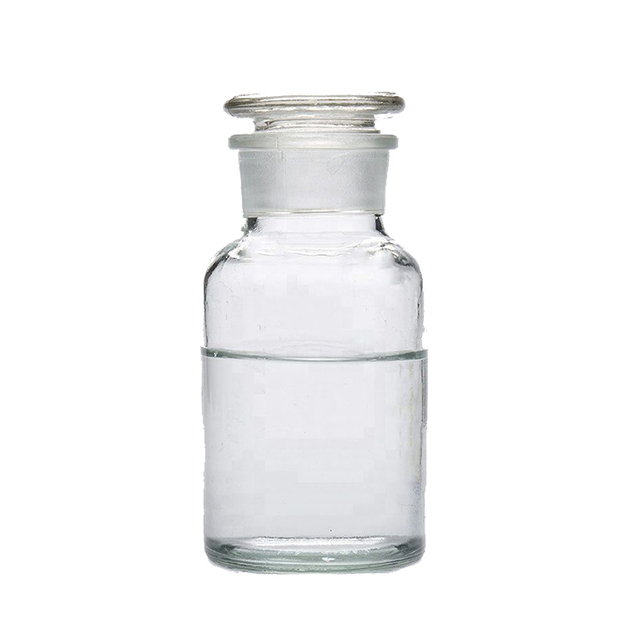
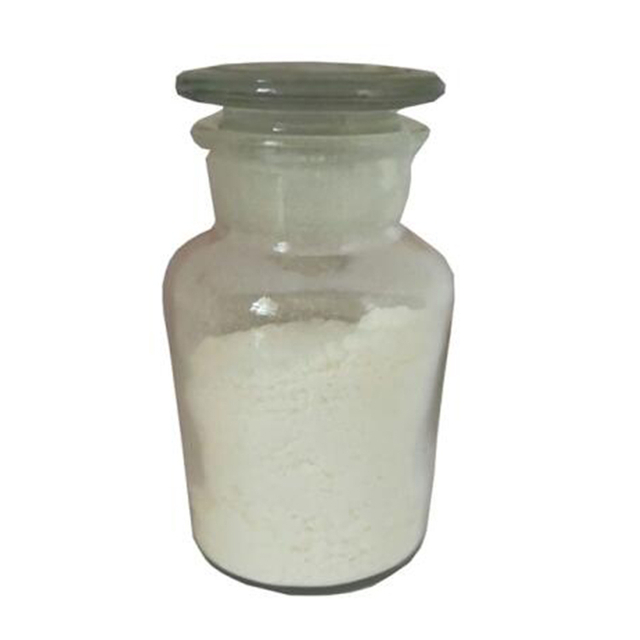
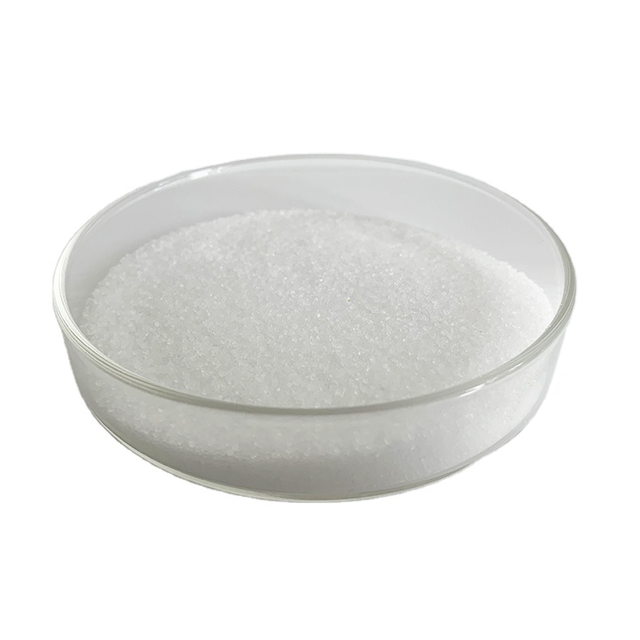
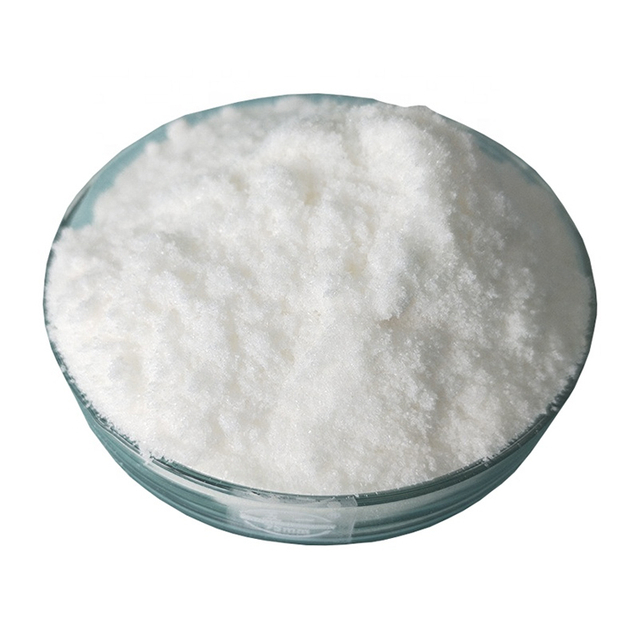
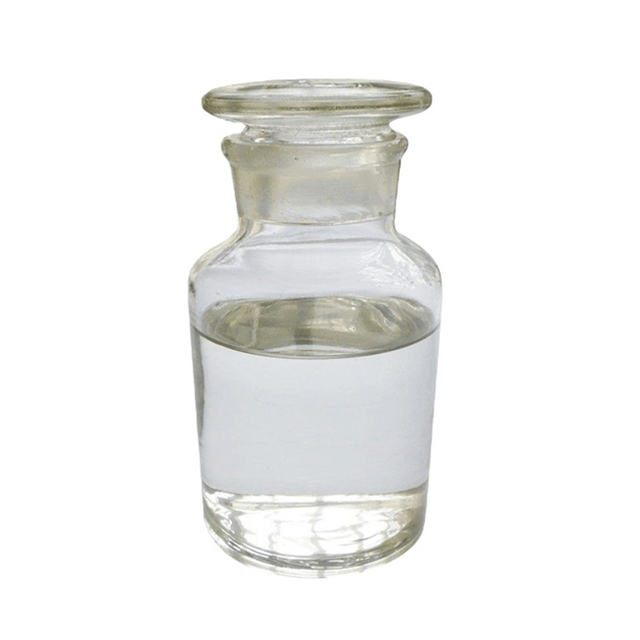
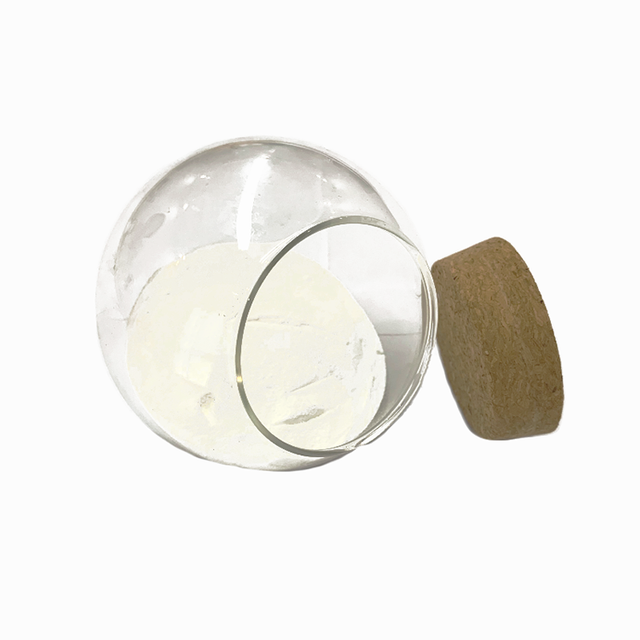
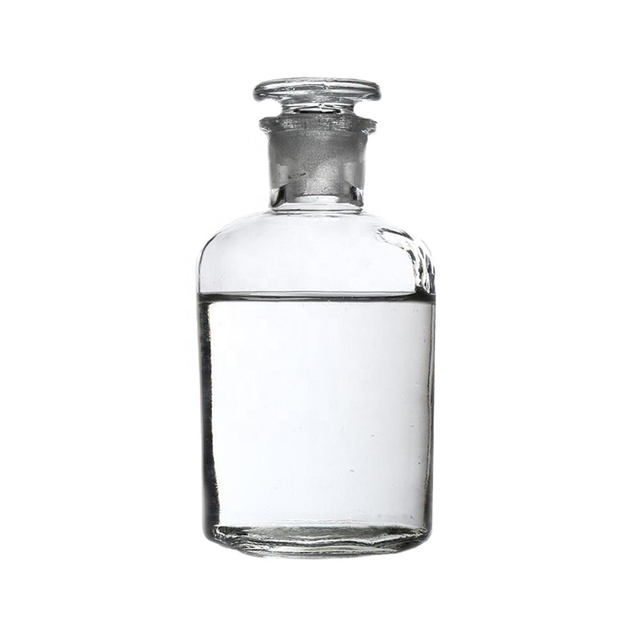
Acetyl Tributyl Citrate (ATBC) is a versatile, non-toxic plasticizer derived from citric acid. With CAS number 77-90-7, ATBC serves as an environmentally friendly alternative to traditional phthalate plasticizers like DEHP or DINP. This colorless, transparent oily liquid enhances flexibility in polymers without compromising safety, making it ideal for applications in food packaging, medical devices, children's toys, and cosmetics. ATBC is valued for its biodegradability, low toxicity, and compliance with global regulations.
ITEM | STANDARD |
Appearance | Colorless Transparent Liquid |
Color(Pt-Co), APHA | ≤30 |
Content, % | ≥99.0 |
Acidity, mgKOH/g | ≤0.2 |
Water Content, % | ≤0.15 |
Relative Density(25/25℃) | 1.045-1.055 |
Refractive Index(25℃/D) | 1.4410-1.4425 |
Heavy Metal(base on Pb), ppm | ≤10 |
Arsenic(As), ppm | ≤3 |
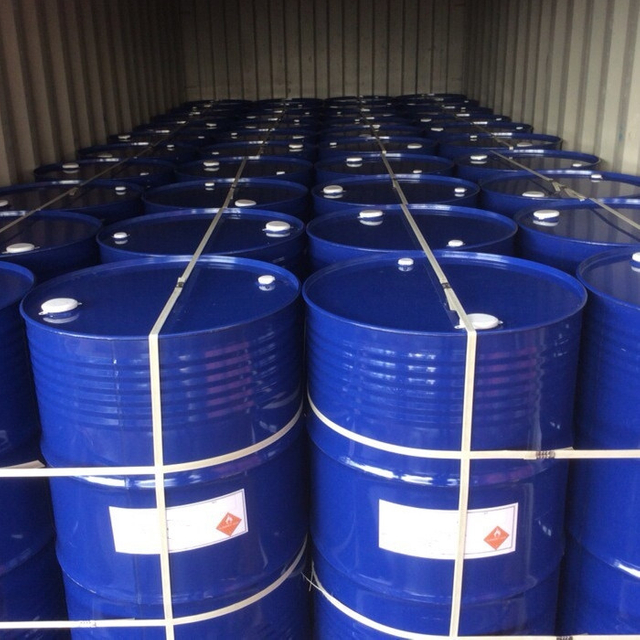
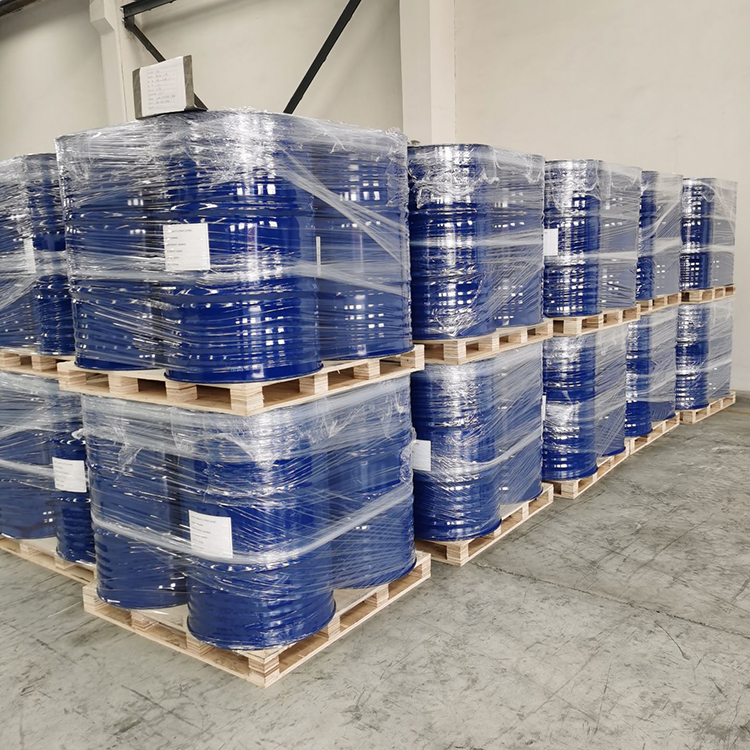
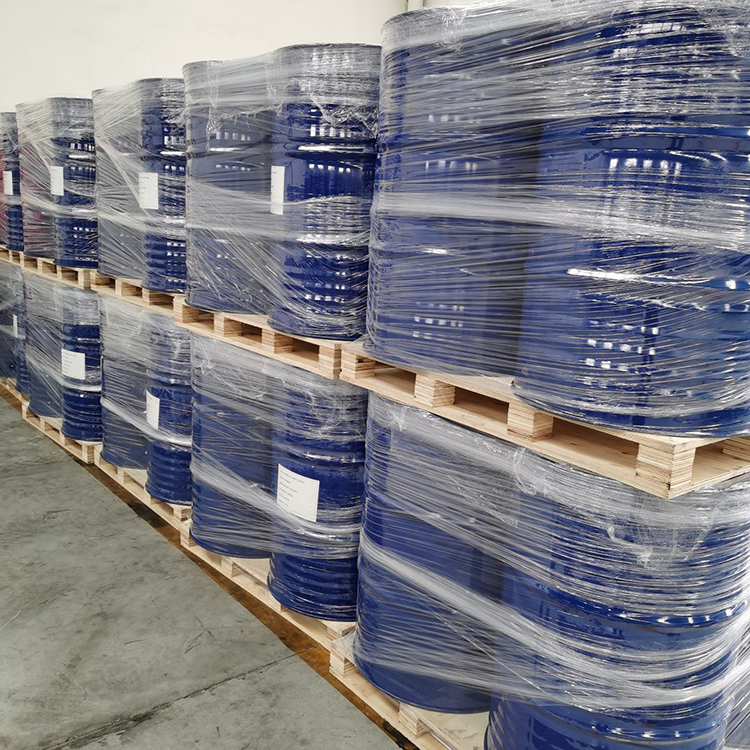
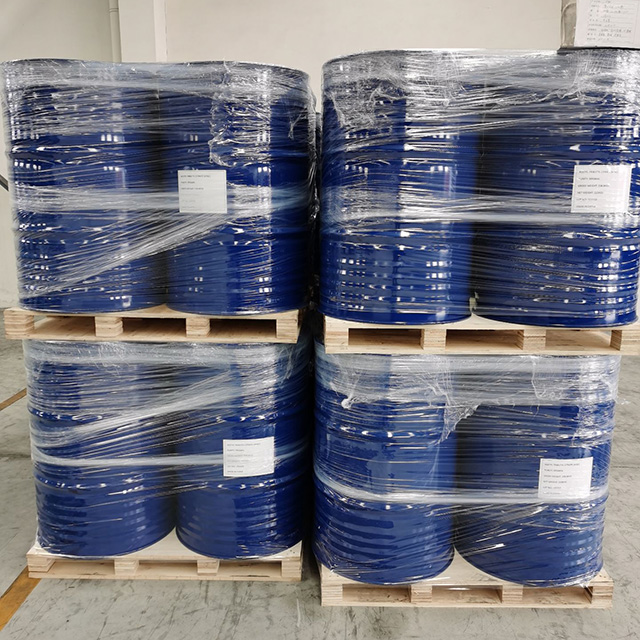
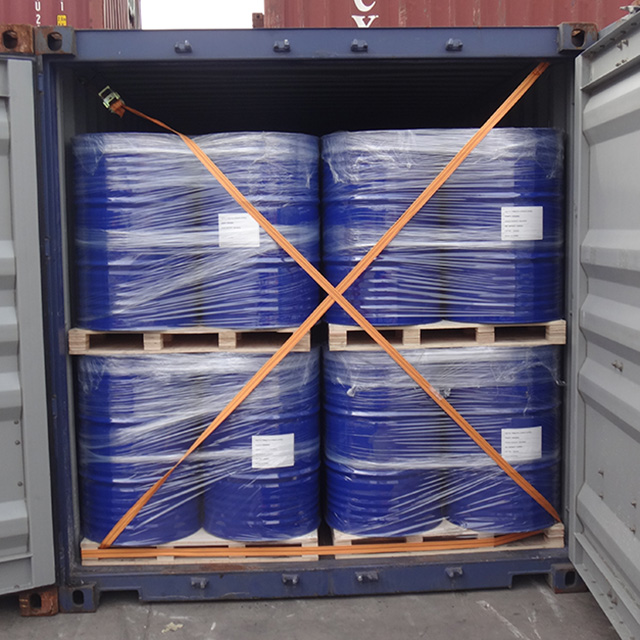
220kg Iron drum, 17.6 tons in one 20ft container with pallets.
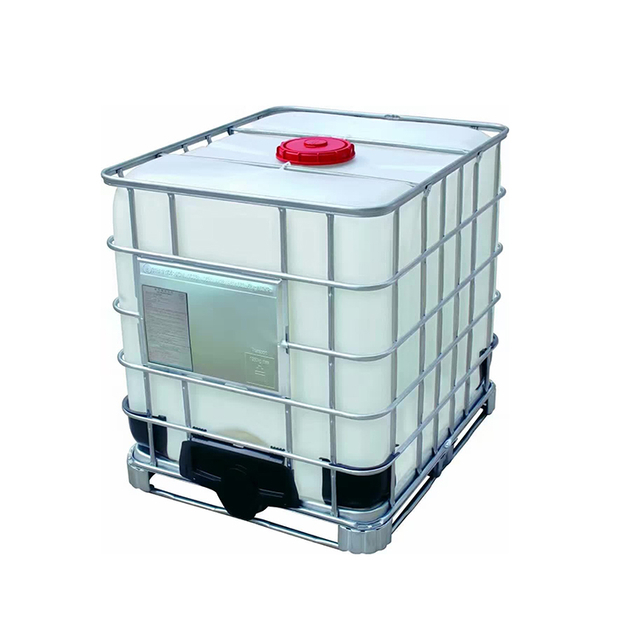
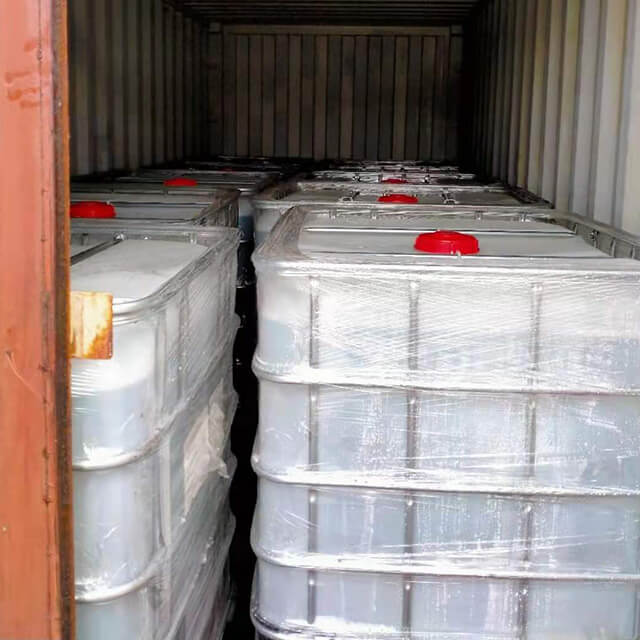
1000kg IBC Tank, 20 tons in one 20ft container.
Non-Toxic and Safe: Free from endocrine-disrupting phthalates; suitable for direct food contact and sensitive applications.
Biodegradable: Breaks down naturally in the environment, reducing long-term ecological impact.
Odorless and Tasteless: Ensures no alteration to product sensory qualities.
High Compatibility: Excellent solubility in PVC, cellulose resins, and synthetic rubbers.
Thermal Stability: Maintains performance at elevated temperatures without volatilization.
ATBC excels in industries requiring high safety and performance standards:
Food and Packaging: Plastic films, bottles, and wraps for direct food contact.
Medical Devices: Flexible tubing, IV bags, and gloves compliant with USP Class VI.
Consumer Goods: Children's toys, flooring, and wire coatings to meet phthalate-free regulations.
Personal Care: Nail polishes, hair sprays, and lotions as a film-former and plasticizer.
Industrial Uses: Adhesives, sealants, and synthetic rubber products for enhanced durability.
What is Acetyl Tributyl Citrate (ATBC)?
ATBC is a citrate-based plasticizer used to increase flexibility in polymers like PVC. It's a safe, non-phthalate alternative derived from renewable citric acid sources.
Is ATBC safe for food contact applications?
Yes, ATBC is FDA-approved for indirect food additives and meets EU regulations for food packaging. It's tasteless and non-migrating, ensuring consumer safety.
How does ATBC compare to phthalate plasticizers?
ATBC is biodegradable and non-toxic, unlike phthalates which can leach and pose health risks. It offers similar performance with better environmental compliance and no endocrine disruption concerns.
What are the environmental benefits of ATBC?
As a bio-based, readily biodegradable material, ATBC reduces plastic waste persistence in landfills and oceans. It's a sustainable choice for eco-conscious manufacturers.
Contact us via email mandy@czqidi.com for offer and sample. We ship globally with full regulatory documentation.