 English

 English
  |


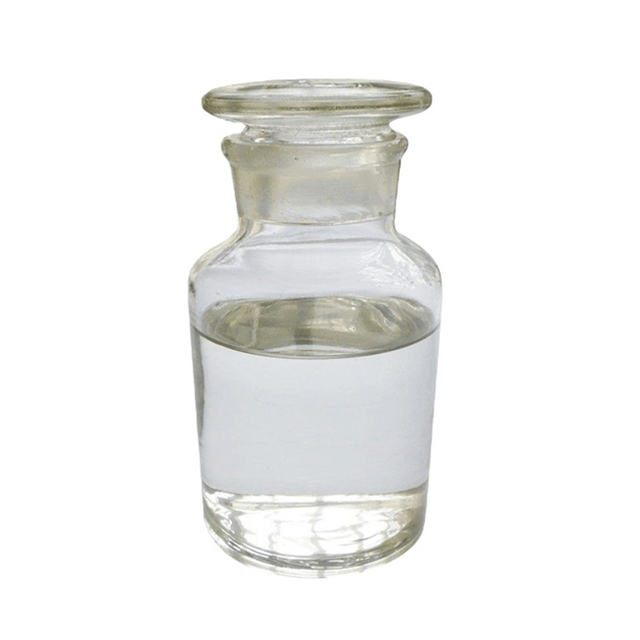
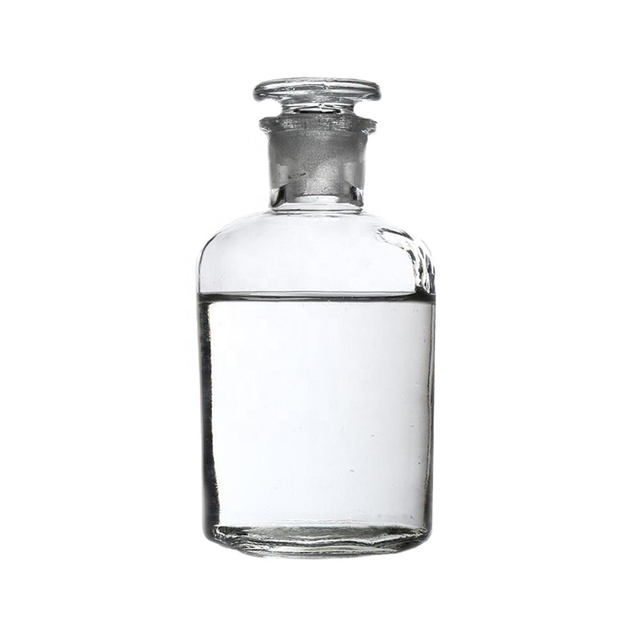
Item Specification
| Item | Index |
| Chroma ≤ | 10 |
| Density (20℃)/(g/cm3) | 0.831-0.833 |
| Purity ≥ | 99.6 |
| acid content (acetic acid) % ≤ | 0.01 |
| carbonyl compound % ≤ | 0.05 |
| Sulfuric acid colour test ≤ | 25 |
| Water % ≤ | 0.1 |
| 2-ethyl-4-methylpentanol % ≤ | 0.4 |
2-Ethylhexanol (2-EH) is mainly utilized as a feedstock for plasticizers like DOP in PVC production, as well as a solvent and coalescent in paints, coatings, and lubricants. Its branched structure provides excellent low-temperature flexibility and solvency properties.
No, 2-EH is practically insoluble in water (about 1 g/L at 20°C) but readily dissolves in organic solvents, making it suitable for non-aqueous formulations and emulsions.
2-EH offers higher boiling point and lower volatility than n-butanol, ideal for high-temperature applications. It provides better coalescing efficiency in coatings but at a higher cost per unit volume due to its C8 chain length.
Store in tightly sealed containers in a cool, well-ventilated area below 40°C to prevent oxidation. Use PPE like gloves and safety glasses; it is flammable and mildly irritating to skin and eyes. Avoid ignition sources due to its flash point.
Yes, it is biodegradable under aerobic conditions and has low aquatic toxicity when managed properly. It supports green chemistry in phthalate-free plasticizers and low-VOC coatings, aligning with REACH and EPA guidelines.
In latex paints, 2–5% by weight as a coalescent is common to optimize minimum film-forming temperature (MFFT). Adjust based on resin type and ambient conditions for best results.
Secure premium 2-Ethylhexanol to drive innovation in your operations. For pricing, technical data sheets, or customized supply solutions, contact us today. Our experts are ready to assist.
Application
2-Ethylhexanol serves as a critical intermediate and solvent, enabling the creation of durable, flexible materials across multiple sectors. Its low odor and high boiling point make it ideal for processes requiring thermal stability.
Primary raw material for synthesizing dioctyl phthalate (DOP) and other phthalate esters used in PVC softening.
Enhances flexibility in cables, flooring, and automotive parts.
Benefit: Improves plasticizer yield by 5–10%, reducing production costs while maintaining material ductility at low temperatures.
Acts as a coalescing agent and solvent in latex emulsions and alkyd resins.
Promotes film formation and adhesion on substrates.
Benefit: Accelerates drying times by up to 20%, leading to higher throughput in coating lines.
Component in synthetic lubricants and metalworking fluids for viscosity control.
Used in silicone-based defoamers for pulp and paper processing.
Benefit: Enhances lubricity, extending equipment life and minimizing foam-related downtime by 15–25%.
Intermediate for ester derivatives in drug synthesis and perfume formulations.
Provides a neutral base for flavor enhancers.
Benefit: Ensures high-purity end products with minimal impurities, supporting regulatory compliance.